HIPAA compliance is an absolute requirement for any healthcare facility. This law is designed to keep confidential patient data safe and gives individuals more access to their personal information. As technology advances quickly it’s essential to make sure that any new technology you use is compliant with the rules set forth by HIPAA.
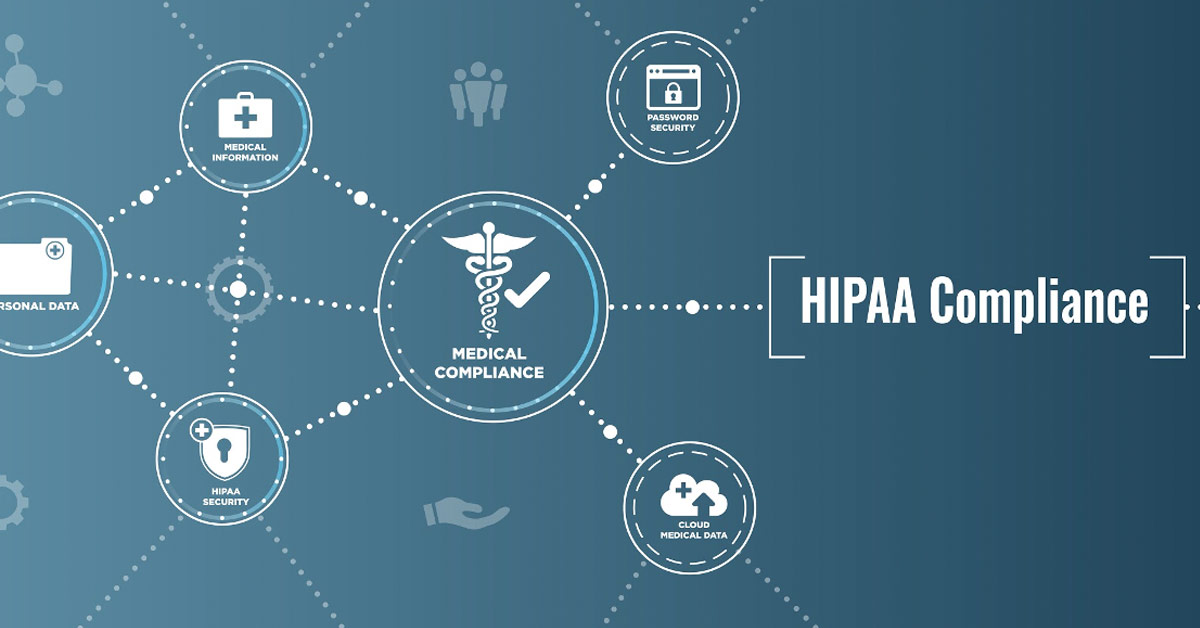
HIPAA compliance isn’t an easy task especially for businesses that are still trying to grasp what HIPAA is and what it means for them. HIPAA compliance is mandatory for health care providers as well as those working in the insurance business. To ensure compliance, it’s vital to review the regulations and ensure that the procedures are implemented. Although it’s difficult, following the law is imperative. Being compliant will result in improved data privacy protection and services, as well and avoiding possible penalties. Understanding the HIPAA regulations and taking the proper steps can help companies ensure that they adhere to the guidelines required by law.
HIPAA regulations can be extremely strict. However, effective security and privacy practices are intended to safeguard the most valuable of belongings: information. It is essential to have better protections to stop the unlawful disclosure or use of private patient data as the healthcare sector has been increasingly moving to digital technology such as Electronic Medical Records. Although guidelines have been developed to protect people yet they must be followed and enforced. HIPAA is aware of the privacy of patients and safety.
HIPAA offers a significant safeguard to medical professionals working in areas and to patients whose medical records are kept. It permits covered entities and business associates (BAs) the liberty to choose whether or not they want to employ an addressable execution standard. This choice may depend upon a myriad of elements like a risk analysis mitigation strategy, existing security measures, and cost of implementation. CEs and BAs can examine alternatives or opt out of the specific action when they believe it’s suitable for their particular situation. HIPAA helps them make informed decisions about security and protection, and to keep a proper balance between technical security and control of the user.
HIPAA compliance offers significant benefits for many businesses. By adhering to regulations set by the Health Insurance Portability and Accountability Act (HIPAA) the organizations can safeguard the health information of their customers, clients, or patients, making sure that it’s kept safe and safe. Compliance ensures that the medical information of individuals isn’t utilized for personal gain or to benefit their health care providers. HIPAA compliance permits individuals to make informed decisions regarding the way their personal health information is managed and used and gives them confidence that other organizations aren’t able to access or manipulate the data without authorization. Additionally, HIPAA compliance mitigates reputational risks for companies by helping them avoid legal or financial ramifications resulting from mishandling patient data due to a lack of security measures. HIPAA standards help ensure positive patient experiences and better protection of medical records that are highly sensitive.
In the end they are just a few of the many factors to take into consideration in the context of HIPAA compliance. The best way to make sure that you’re in compliance is to have a clear knowledge of the law and speak with an expert who will help you understand it and set up the necessary systems and processes in place. It can be intimidating, but it’s vital to protect your patient’s rights as well as ensuring the privacy of their medical information.
For more information, click subtitle of hitech