The infrastructure for wastewater and water is a lot more complicated than an easy gravity-based system. As communities expand and space becomes more difficult to develop, engineered pumping solutions play a critical role in maintaining water flow effectively and safely. A properly designed pump station supports everything from wastewater collection and stormwater control to potable water distribution and industrial operations.
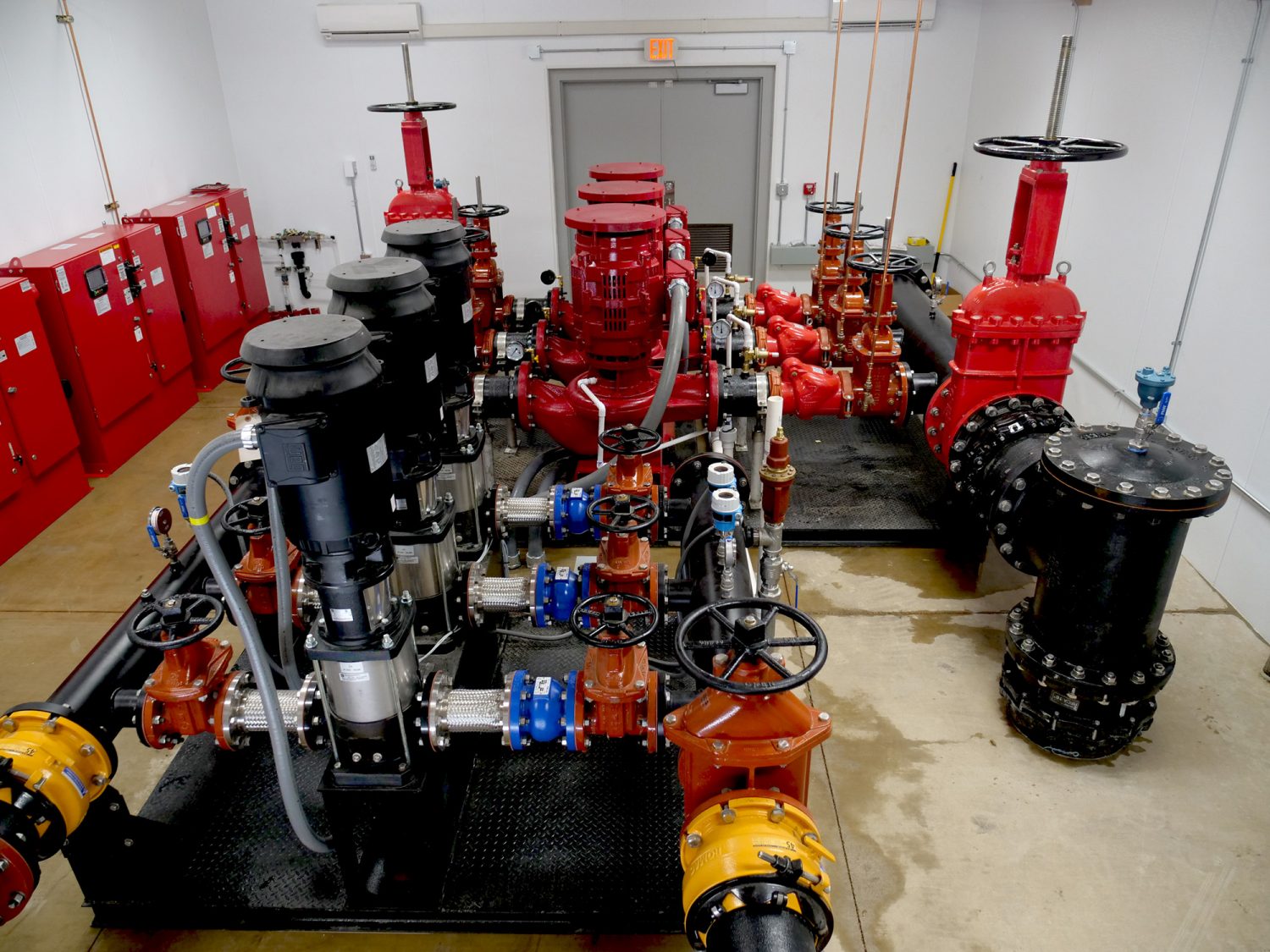
Each pumping system is different in every aspect, from elevation to flow requirements, water quality, and even ownership requirements. These issues should be addressed at an early stage of design to reduce operational problems over the long-term and ensure the system continues to perform as designed for many years.
Why Package Pumping Systems Need to Be Project Specific
Package pumping systems are engineered to be a complete integrated solution, not an assortment of components off the shelf. Conditions at the site, environmental regulations, and operational goals all influence how a system is constructed. Different configurations of pumps and control strategies are required for commercial developments, municipal infrastructure, and industrial facilities.
Engineers are able to make more informed decisions by analyzing upfront flow rates as well as duty-points and lifecycle cost estimates. This helps reduce the need for revisions. It also prevents unexpected costs when construction is underway and ensures all parties are on the same page from the start.
Modern Development The Wastewater Lifting Stations
In order to accommodate the growing urban area sewer infrastructure needs to be adapted to new terrains and larger service areas. A wastewater lift station lets sewage be moved from lower elevations to higher collection points that ensure reliable transportation to treatment facilities. These systems are crucial in locations that gravity flow alone can’t provide the required capacity.
Wastewater lift stations must be able to handle varying flows as well as disposal of solids, resistance to corrosion and compliance with regulatory requirements. Municipal systems are often designed with longevity and ease-of-maintenance in mind, while industrial and private systems could be more focused on capacity and adaptability. Custom-designed engineering permits structures, pumps and controls to be chosen based on the specific operating conditions.
Stormwater Lift Stations & Environmental Protection
The ability to manage stormwater efficiently has become more crucial as density increases and weather patterns become more unpredictable. A well-constructed stormwater lifting station assists in controlling runoff and manage detention ponds and minimize the risks of flooding. These systems aid in protecting the environment by directing stormwater to be treated before it is released into the natural waterways.
Stormwater pumping systems should be able to work effectively in a variety of weather conditions, ranging from light rains to severe storms. In designing these stations engineers must consider peak flows, seasonal variations, as also the sustainability of the system over time. Flexible pump technology and the choice of materials allows systems to adapt over time to changing demands.
Pumping applications to Industrial as well as Clean Water
Pump stations do not just serve a variety of municipal needs. Pumping systems in industrial facilities are vital for handling high-temperature fluids and high-pressure processes. They also deal with oily water and chemically aggressive waste streams. To design for such environments, you need specialized knowledge and to carefully select materials.
Commercial, residential, as well as municipal distribution of water is supported by systems that supply safe water, which includes booster stations. Maintaining consistent pressure and flow is essential for user satisfaction and system reliability. Pump stations for irrigation, reclaimed groundwater, extraction of groundwater, and a large water features have to balance effectiveness and endurance.
Integrated Design and one supplier
managing multiple suppliers of structural, mechanical and electrical parts, along with control elements are complex and dangerous. Single source design and delivery streamlines the process of implementation and increases compatibility. The design team can develop efficient solutions faster by drawing upon the experiences of numerous pumping scenarios.
Romtec Utilities uses this integrated method for stormwater, wastewater and industrial applications in addition to clean water. The projects that benefit from Romtec Utilities controlling the entire pumping process from structural housing through controls and engineering are simplified and of consistency in quality.
The modern infrastructure is built on the ability of pumps that can adapt to real-time conditions, rather than general assumptions. The design of each pump station is constructed around the early evaluation of its performance and the integrated execution to ensure it delivers stable performance and fulfills the demands of its owner and operator over the course of time.